top of page

2050-ųjų vasara

Anonymous

March 19, 2025

2050-ųjų vasara

This image was generated with Dream Studio AI.

In the summer morning of 2050, when the sun will already warm the sky, people will rush into their daily work, but something will be different. Most of them will stop going to the offices and work remotely using virtual realities that will look like a real part of life. Although the pace of life will become faster, technological advances will allow you to significantly reduce the workload and open up more time for personal hobbies. The world of the future is not only created by innovation, but also renewed by human value. After climate disasters and planetary challenges, people will come together to fight environmental pollution. Sustainable technologies will emerge that will enable not only the purification of water and air, but also the creation of fully renewable cities that can grow and adapt to nature. The world will no longer be what we remember from the past: people will value relationships, empathy and cooperation more. Everyone will know that the future depends not only on technology, but also on our ability to grow as a community.

related stories
hallo
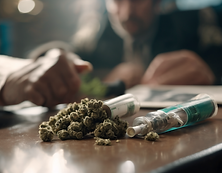
That the law for the betterment and recognition of the disabled be better applied - that cannabis, like cigarettes, be sold over the counter, which would put a stop to score-settling and delinquency - that gun owners be better supervised - that the medical profession be better paid and more recognized.
hallo
hallo
Changing the attitude of important people in the state to the topic of wars and LGBT equality. Countries that cause war should not be supported in any way . They should be cut off from trade and their citizens should be banned from leaving their country.In each country citizens should have free access to medical services and for this purpose countries should support each other and exchange technology.
hallo
Life in my grandparents' time was very different from today. First of all, the pace of life was slower, and people had more direct contact with each other. There was no internet or cell phones, so communication was mainly based on letters, meetings and face-to-face conversations. Transportation was also less developed - trips took longer, and cars were a luxury available to few. Many people worked physically, and the technologies that make our lives easier today were still in their infancy. Today we live in a world full of modern technologies that make life more convenient and efficient. Remote work, high-speed transportation and smart devices are just a few examples of the changes that have affected our daily lives. However, there have also been new challenges, such as excessive digitization and environmental problems. In 20 years, life may look even different. We can expect further developments in technology, artificial intelligence and automation. Perhaps autonomous cars will become the norm, and work will become more flexible, allowing people to better combine work and private life. Also, medical developments may make us live longer and healthier lives. If we, as a society, pay more attention to ecology, our cities could become greener and more livable. It is important to strive for a future in which technology serves humanity rather than restricting it. I hope that 20 years from now, people will be more aware and caring of their surroundings, which will benefit both individuals and entire communities.
Join #OurFutures now!

The future is shaped by our ideas and our actions today. Tell us about your visions of the future and help us create a futures narrative aimed at inspiring citizens, policy-makers and foresight experts alike!

Our-futures-banner-coloured_v3.jpg

The European Commission support does not constitute endorsement of the contents which reflects the views only of the authors, and the Commission cannot be held responsible for any use which may be made of the information contained.

ERA_logo.jpg

We support the European Research Area aimed at creating a single, borderless market for research, innovation and technology in the EU.

©OurFutures 2025, All rights reserved.

  • Instagram
  • Facebook
  • LinkedIn
  • YouTube
bottom of page