top of page

A Fragile Balance

Anonymous

March 19, 2025

A Fragile Balance

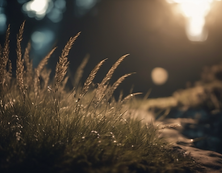
This image was generated with Dream Studio AI.

In the year 2040, the world had transformed in ways both hopeful and uncertain. Cities now thrived as green, interconnected hubs, their skyline dotted with sleek, solar-powered vehicles that hovered above the streets. Public transport, once overcrowded and polluting, had been replaced by autonomous electric pods, moving people swiftly through airways and tunnels, reducing congestion and emissions. The once-imposing traffic jams were a thing of the past.

Yet, as humanity reveled in its advancements, the Earth was also telling its story—a story of recovery and fragility. Nature, scarred by decades of climate chaos, had begun to heal, but not without difficulty. Vast forests, once endangered, were now flourishing thanks to restored ecosystems and rewilding projects. Cities had reclaimed their green spaces, integrating vertical gardens, green rooftops, and urban farms. These innovations, born out of necessity, had become a symbol of hope for the planet.

But the scars of past negligence lingered. Weather patterns had become unpredictable, and natural disasters, while less frequent, still struck with unrelenting power. A warning bell echoed in the back of people's minds—how much time was left before the tipping point came?

On the global level, nations had united in an unprecedented alliance, working toward a common goal: food security and environmental stability. Vertical farming, once a novel idea, had become the norm. Skyscrapers in every major city were now home to expansive farms that grew everything from grains to vegetables, using less water and land than traditional methods. The Earth’s soil had been treated with respect, and sustainable farming practices had revived once barren fields. It was a revolution in agriculture—one that seemed to promise a future free from hunger.
Yet, even as the world seemed to bloom, there were whispers of concern. Some wondered whether the changes were enough. Could technology truly fix everything? Could humans repair the damage of centuries in just a few short decades? It was unclear, but what was certain was that the path forward was one of careful balance—an ongoing dance between progress and preservation.

The future, both hopeful and wary, was a world of resilience, powered by innovation and a deep connection to nature. But the greatest question remained: Would humanity sustain the fragile balance they had fought so hard to build? Only time would tell.

related stories
hallo
Mijn gedachten over 2050
I would like to see nature and the environment and climate improved again in 2050, so that we have less to worry about that the difference between rich and poor has become smaller, partly due to the new technological developments that we can do. I also expect that internet Ai and things like that will play a much bigger role in the world in unexpected positive is that I do not know yet but we will see that Furthermore, I hope that we can do better in terms of housing than we do now that people can normally buy or rent a house without losing almost half of an income and that we can also live normally once more and not be crammed into too small boxes as that sometimes seems to happen now. And hopefully we have come together a bit more instead of growing apart as we do today. It now seems that we can get into a global war shipping and that makes me worried for the coming time but hopefully in 20 years it will all be over and better and it will be okay.
hallo
Education in 2040
In 2040, education is personalized, accessible, and immersive. AI tutors adapt to each student’s pace, while VR and AR bring subjects to life. Classrooms extend beyond four walls, with global collaboration and project-based learning replacing traditional exams. Schools prioritize creativity, emotional intelligence, and real-world problem-solving. Higher education is affordable, with flexible, skills-based curriculums. Learning is a lifelong, engaging journey—empowering everyone, everywhere.
hallo
Lepsze, zwykłe życie
In 2040, medicine developed enough that teeth are able to regenerate, albeit to some extent. More and more treatments can be carried out without the need to involve a multi-person medical team. Births take place painlessly, which results in an increase in the number of children. Better organized public transport was introduced, which relaxed traffic jams and reduced air pollution. We have discovered a new, inexpensive way to recover water from rain.
hallo
Stipri ir konkurencinga Europa be migrantų
I would like Europe to be safe, there would be no more migrants who break the law and exploit Europe's legal loopholes and people's goodness. I would like the European economy to be the strongest in the world, with manufactured goods meeting standards and being a sign of cocube in the world. I would like Europe to have a political backbone and a greater concern for the people of Europe and their well-being
Join #OurFutures now!

The future is shaped by our ideas and our actions today. Tell us about your visions of the future and help us create a futures narrative aimed at inspiring citizens, policy-makers and foresight experts alike!

OURfutures.png

The European Commission support does not constitute endorsement of the contents which reflects the views only of the authors, and the Commission cannot be held responsible for any use which may be made of the information contained.

ERA_logo.jpg

We support the European Research Area aimed at creating a single, borderless market for research, innovation and technology in the EU.

©OurFutures 2025, All rights reserved.

  • Instagram
  • Facebook
  • LinkedIn
  • YouTube
bottom of page