A Fragile Balance

Anonymous
March 19, 2025

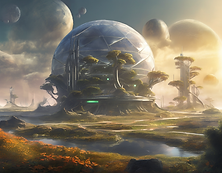
This image was generated with Dream Studio AI.
In the year 2040, the world had transformed in ways both hopeful and uncertain. Cities now thrived as green, interconnected hubs, their skyline dotted with sleek, solar-powered vehicles that hovered above the streets. Public transport, once overcrowded and polluting, had been replaced by autonomous electric pods, moving people swiftly through airways and tunnels, reducing congestion and emissions. The once-imposing traffic jams were a thing of the past.
Yet, as humanity reveled in its advancements, the Earth was also telling its story—a story of recovery and fragility. Nature, scarred by decades of climate chaos, had begun to heal, but not without difficulty. Vast forests, once endangered, were now flourishing thanks to restored ecosystems and rewilding projects. Cities had reclaimed their green spaces, integrating vertical gardens, green rooftops, and urban farms. These innovations, born out of necessity, had become a symbol of hope for the planet.
But the scars of past negligence lingered. Weather patterns had become unpredictable, and natural disasters, while less frequent, still struck with unrelenting power. A warning bell echoed in the back of people's minds—how much time was left before the tipping point came?
On the global level, nations had united in an unprecedented alliance, working toward a common goal: food security and environmental stability. Vertical farming, once a novel idea, had become the norm. Skyscrapers in every major city were now home to expansive farms that grew everything from grains to vegetables, using less water and land than traditional methods. The Earth’s soil had been treated with respect, and sustainable farming practices had revived once barren fields. It was a revolution in agriculture—one that seemed to promise a future free from hunger.
Yet, even as the world seemed to bloom, there were whispers of concern. Some wondered whether the changes were enough. Could technology truly fix everything? Could humans repair the damage of centuries in just a few short decades? It was unclear, but what was certain was that the path forward was one of careful balance—an ongoing dance between progress and preservation.
The future, both hopeful and wary, was a world of resilience, powered by innovation and a deep connection to nature. But the greatest question remained: Would humanity sustain the fragile balance they had fought so hard to build? Only time would tell.
related stories