top of page

A Fragile Balance

Anonymous

March 19, 2025

A Fragile Balance

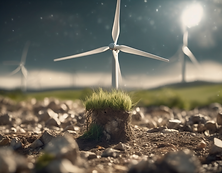
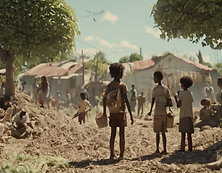
This image was generated with Dream Studio AI.

In the year 2040, the world had transformed in ways both hopeful and uncertain. Cities now thrived as green, interconnected hubs, their skyline dotted with sleek, solar-powered vehicles that hovered above the streets. Public transport, once overcrowded and polluting, had been replaced by autonomous electric pods, moving people swiftly through airways and tunnels, reducing congestion and emissions. The once-imposing traffic jams were a thing of the past.

Yet, as humanity reveled in its advancements, the Earth was also telling its story—a story of recovery and fragility. Nature, scarred by decades of climate chaos, had begun to heal, but not without difficulty. Vast forests, once endangered, were now flourishing thanks to restored ecosystems and rewilding projects. Cities had reclaimed their green spaces, integrating vertical gardens, green rooftops, and urban farms. These innovations, born out of necessity, had become a symbol of hope for the planet.

But the scars of past negligence lingered. Weather patterns had become unpredictable, and natural disasters, while less frequent, still struck with unrelenting power. A warning bell echoed in the back of people's minds—how much time was left before the tipping point came?

On the global level, nations had united in an unprecedented alliance, working toward a common goal: food security and environmental stability. Vertical farming, once a novel idea, had become the norm. Skyscrapers in every major city were now home to expansive farms that grew everything from grains to vegetables, using less water and land than traditional methods. The Earth’s soil had been treated with respect, and sustainable farming practices had revived once barren fields. It was a revolution in agriculture—one that seemed to promise a future free from hunger.
Yet, even as the world seemed to bloom, there were whispers of concern. Some wondered whether the changes were enough. Could technology truly fix everything? Could humans repair the damage of centuries in just a few short decades? It was unclear, but what was certain was that the path forward was one of careful balance—an ongoing dance between progress and preservation.

The future, both hopeful and wary, was a world of resilience, powered by innovation and a deep connection to nature. But the greatest question remained: Would humanity sustain the fragile balance they had fought so hard to build? Only time would tell.

related stories

hallo
Srečna in svobodna Evropa v prihodnost
In 2040, Europe was developed sustainably, using only environmentally friendly energy sources for electricity production, which are, of course, renewable. Most houses are equipped with a smart management system that optimises the use of energy as much as possible. The air is clean, we have stopped global warming, man is brother to man racism and we have eradicated discrimination
hallo
Zukunt für alle
I wish that by then we had managed to save , our planet. Clean, efficient energy is available indefinitely, but there are better alternatives than huge wind turbines that eat the ground. Housing is affordable for everyone and a fundamental right. Everyone has to do their part. There are no more social smears. Public transport, of any kind, is free of charge.
hallo
Il è un puzzle e ognuno di noi siamo un pezzo
A future where we have changed our habits to find a sustainability of resources, managing to find a fairer balance for all, reducing the differences between peoples and social classes. Social, environmental and economic justice, progress without compromise of the planet and without exploitation. Equality of rights, acceptance, sense of community and participation at all levels of society. Elimination of corruption, control over big fortunes and companies. Strengthening education, culture, sustainable transport. Enhancement of the territory, recovery and reuse of existing structures and materials. Universal and accessible health care for all, where the center is the person and not the economic gain. Elimination of the prevailing capitalist systems.
hallo
epaciauskiene@yahoo.com
I wish I could have peace all over the world. So that people can get free treatment for cancer. So that all people have a job. THE WARS WOULD BE LOWER, EXCELLENT TO ONE OTHER, ALL NATIONAL PRODUCTS AND UNLIMITED WARS. DECISIONS IN THE MEMBER STATES MUST BE ADOPTED IN MORE CONDITIONS WITH ARTIFICIAL PEOPLE THAT WOULD NOT BE BADO AND PLACE IN THE WORLD. THE USE OF THE ENVIRONMENT WOULD NOT HAVE BEEN EXTENDED. And the environment is less polluted, animals are killed. I think it's important that you don't have blood, that you don't have it in your life, and that any other important thing is a good thing. THIS IS IMPORTANT FOR OUR NATURALS, FOR AUGUST AND ANIMALS AND US AND THE FUTURE OF OUR CHILDREN AND ANIMALS. And that's what we can do just by reducing consumption . And so that peace would have to be a treaty for all parties, to accept ALL NETWORK DECISIONS.
Join #OurFutures now!

The future is shaped by our ideas and our actions today. Tell us about your visions of the future and help us create a futures narrative aimed at inspiring citizens, policy-makers and foresight experts alike!

OURfutures.png

The European Commission support does not constitute endorsement of the contents which reflects the views only of the authors, and the Commission cannot be held responsible for any use which may be made of the information contained.

ERA_logo.jpg

We support the European Research Area aimed at creating a single, borderless market for research, innovation and technology in the EU.

©OurFutures 2025, All rights reserved.

  • Instagram
  • Facebook
  • LinkedIn
  • YouTube
bottom of page