top of page

Beneath the Glass Skies

Anonymous

March 19, 2025

Beneath the Glass Skies

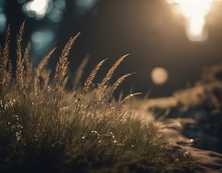
This image was generated with Dream Studio AI.

By 2040, Earth was unrecognizable. The scars of climate change had etched themselves across every continent. Rising seas had swallowed parts of coastal cities, while droughts and wildfires claimed once fertile lands. The Earth, though still beautiful, now bore an eerie, fractured majesty—an intricate mix of human resilience and nature's unrelenting wrath.

In New London, a sprawling megacity built atop the ruins of old London, a young woman named Lena tightened her augmented reality glasses and stepped outside. Above her, glass domes shimmered, shielding the city from the temperamental weather outside—acid rain, superstorms, and the occasional suffocating heatwave. These domes, known as Climate Bubbles, had become humanity's final defense against an environment it could no longer control.

Lena paused at the edge of the dome’s district barrier, watching workers in exoskeleton suits reinforce its joints. Beyond the translucent wall lay the Blightlands, a wasteland of dead soil, skeletal trees, and the ruins of smaller towns long abandoned. The land was barren, save for the scavenger drones zipping around to recover rare metals from old tech and the occasional crew of climate engineers planting carbon-absorbing bio-machines disguised as moss.

Life inside the domes was far from perfect. The air was clean, water was drinkable, and food was plentiful, though most of it came from vertical farms that spiraled skyward in shades of green and silver. But the economy was tightly controlled, dominated by mega-corporations that had stepped in to do what governments couldn't during the late 2020s. The tech giant Solaris ran everything from energy grids to public AI, its CEO seen as a messiah to some and a tyrant to others.

related stories

hallo
Une Europe plein d'espoir
In 2050, Europe is a model of sustainability and innovation. Cities are green, with autonomous and electric transport reducing emissions. Renewable energy dominates, allowing carbon neutrality. Technology improves everyday life, especially in health and education. Europe is inclusive, with open borders and a fair society. Between 2025 and 2050, climate and social challenges were overcome through cooperation and innovation, creating a better future for all.
hallo
Mijn gedachten over 2050
I would like to see nature and the environment and climate improved again in 2050, so that we have less to worry about that the difference between rich and poor has become smaller, partly due to the new technological developments that we can do. I also expect that internet Ai and things like that will play a much bigger role in the world in unexpected positive is that I do not know yet but we will see that Furthermore, I hope that we can do better in terms of housing than we do now that people can normally buy or rent a house without losing almost half of an income and that we can also live normally once more and not be crammed into too small boxes as that sometimes seems to happen now. And hopefully we have come together a bit more instead of growing apart as we do today. It now seems that we can get into a global war shipping and that makes me worried for the coming time but hopefully in 20 years it will all be over and better and it will be okay.
hallo
Education in 2040
In 2040, education is personalized, accessible, and immersive. AI tutors adapt to each student’s pace, while VR and AR bring subjects to life. Classrooms extend beyond four walls, with global collaboration and project-based learning replacing traditional exams. Schools prioritize creativity, emotional intelligence, and real-world problem-solving. Higher education is affordable, with flexible, skills-based curriculums. Learning is a lifelong, engaging journey—empowering everyone, everywhere.
hallo
Lepsze, zwykłe życie
In 2040, medicine developed enough that teeth are able to regenerate, albeit to some extent. More and more treatments can be carried out without the need to involve a multi-person medical team. Births take place painlessly, which results in an increase in the number of children. Better organized public transport was introduced, which relaxed traffic jams and reduced air pollution. We have discovered a new, inexpensive way to recover water from rain.
Join #OurFutures now!

The future is shaped by our ideas and our actions today. Tell us about your visions of the future and help us create a futures narrative aimed at inspiring citizens, policy-makers and foresight experts alike!

Our-futures-banner-coloured_v3.jpg

The European Commission support does not constitute endorsement of the contents which reflects the views only of the authors, and the Commission cannot be held responsible for any use which may be made of the information contained.

ERA_logo.jpg

We support the European Research Area aimed at creating a single, borderless market for research, innovation and technology in the EU.

©OurFutures 2025, All rights reserved.

  • Instagram
  • Facebook
  • LinkedIn
  • YouTube
bottom of page