top of page

Beneath the Glass Skies

Anonymous

March 19, 2025

Beneath the Glass Skies

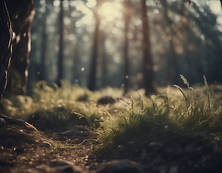
This image was generated with Dream Studio AI.

By 2040, Earth was unrecognizable. The scars of climate change had etched themselves across every continent. Rising seas had swallowed parts of coastal cities, while droughts and wildfires claimed once fertile lands. The Earth, though still beautiful, now bore an eerie, fractured majesty—an intricate mix of human resilience and nature's unrelenting wrath.

In New London, a sprawling megacity built atop the ruins of old London, a young woman named Lena tightened her augmented reality glasses and stepped outside. Above her, glass domes shimmered, shielding the city from the temperamental weather outside—acid rain, superstorms, and the occasional suffocating heatwave. These domes, known as Climate Bubbles, had become humanity's final defense against an environment it could no longer control.

Lena paused at the edge of the dome’s district barrier, watching workers in exoskeleton suits reinforce its joints. Beyond the translucent wall lay the Blightlands, a wasteland of dead soil, skeletal trees, and the ruins of smaller towns long abandoned. The land was barren, save for the scavenger drones zipping around to recover rare metals from old tech and the occasional crew of climate engineers planting carbon-absorbing bio-machines disguised as moss.

Life inside the domes was far from perfect. The air was clean, water was drinkable, and food was plentiful, though most of it came from vertical farms that spiraled skyward in shades of green and silver. But the economy was tightly controlled, dominated by mega-corporations that had stepped in to do what governments couldn't during the late 2020s. The tech giant Solaris ran everything from energy grids to public AI, its CEO seen as a messiah to some and a tyrant to others.

related stories
hallo
gittevandegraveele@gmail.com
By 2040, I would like the way we deal with food and public space to have fundamentally changed. An ideal image I have in mind, based on the projects I am working on, such as Fruitstraat Gent, is that cities have been completely transformed into green, edible landscapes. In this future, cities are not only functional living spaces, but also productive ecosystems where fruit trees, vegetables and herbs grow lushly in streets, squares and parks. Everyone has access to healthy and local food thanks to the myriad of commons such as communal gardens and fruit trees, where residents have free access to pick. The idea of a short and sustainable food chain is fully embedded in urban life: people harvest their own food or buy it directly from neighborhood cooperatives, without the intervention of polluting, long distribution chains. In addition, there is a broad awareness of the importance of community and participation. Speculative design projects are no longer just a niche, but have been given a central role in shaping urban development. Residents are actively involved in designing the future of their city, with participation and engagement at the heart of policy decisions. Each district has its own projects and experiments that constantly contribute to the improvement of the living environment, both socially, economically and ecologically. This vision of the future would result in a healthier, cohesive and more resilient society in which people not only have a connection with each other, but also with nature and the food they consume.
hallo
My dream of future
Maybe personally I will be very happy to enjoy the high-tech convenience just like I can order the food by done delivery .That’s insane and also many diseases can be handled simultaneously.Tje climate might be not habitable for us,due to our over development.
hallo
Et maintenant, en 2040.
hallo
An idealistic European future
Europe will have learnt from its past mistakes in terms of security and defence and economy. It will no longer be seen as a side partner with no real power when it comes to wars at its borders. It will be equipped and able to deter foreign threats, both military and online. While having strong foreign partnerships, it will no longer rely on third countries to provide it with rare materials, energy or manufacture critical products. It will have understood that companies are critical to its social welfare and adapted its regulations to European companies' needs. Energy and life costs will no longer be an issue for Europeans as there will have been investments in new nuclear technologies, incentives given to companies to produce in Europe in a simplified regulatory framework, taxation, social and labour costs will be harmonised and education will be again a strong pillar of the society.
Join #OurFutures now!

The future is shaped by our ideas and our actions today. Tell us about your visions of the future and help us create a futures narrative aimed at inspiring citizens, policy-makers and foresight experts alike!

Our-futures-banner-coloured_v3.jpg

The European Commission support does not constitute endorsement of the contents which reflects the views only of the authors, and the Commission cannot be held responsible for any use which may be made of the information contained.

ERA_logo.jpg

We support the European Research Area aimed at creating a single, borderless market for research, innovation and technology in the EU.

©OurFutures 2025, All rights reserved.

  • Instagram
  • Facebook
  • LinkedIn
  • YouTube
bottom of page