top of page

Kan vi leve med klimaforandringer i fremtiden?

Anonymous

November 29, 2024

Kan vi leve med klimaforandringer i fremtiden?

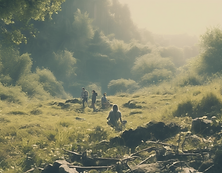
This image was generated with Dream Studio AI.

By 2040, humanity will likely have adapted and developed different strategies and technologies to live with climate change. Here are some ways we could have learned to live with climate change:

Sustainable Infrastructure:

Cities have reinforced their infrastructures to withstand more frequent extreme weather events like storms, floods and heat waves. This includes higher dams, improved sewer systems, and green roofs and walls that help absorb rainwater and reduce the heat island effect.
Renewable Energy:

There has been a significant transition from fossil fuels to renewable energy sources such as solar, wind and wave energy. Advances in energy storage, such as battery technology, have made it possible to store energy efficiently and ensure a stable energy supply.
Climate resilient agriculture:

Agricultural practices have been adapted to meet changing weather conditions. This includes growing drought-tolerant crops, precision irrigation techniques and using technology to predict and manage weather-related risks.
Education and Awareness:

Climate education has become an integral part of the curriculum in schools and higher education. Public campaigns have raised awareness of sustainable living and individual actions that can reduce carbon footprints.
Technological Innovation:

New technologies, such as advanced climate models, have improved our ability to predict and respond to climate-related events. Smart cities use IoT (Internet of Things) to manage resources efficiently and reduce energy consumption.
Ecosystem-based solutions:

Great strides have been made towards preserving and restoring natural ecosystems. Afforestation, wetlands and coral reefs have been protected and restored as they act as natural buffers against climate change.
International Collaboration:

Global cooperation on climate action has been strengthened. International agreements and partnerships have led to coordinated efforts to reduce greenhouse gas emissions and support climate adaptation projects in vulnerable regions.
Sustainable Urban Planning:

Cities have been planned with a focus on sustainability and resilience. This includes the development of compact cities with good public transportation, more green spaces and buildings designed for energy efficiency.
Access to Clean Water:

Improved water management techniques and new technologies for water purification have ensured that populations have access to clean water despite climate change affecting water resources.
Lifestyle changes:

People have adapted their lifestyles to be more sustainable. This includes everything from changing diets with less meat consumption to greater use of public transportation and cycling.
Through these adaptations and innovations, we have learned to live with climate change and create a more sustainable and resilient future.

related stories

hallo
Svět jak má být
I imagine a world with clean air and green cities. Technology makes our lives easier, but at the same time we care about harmony with nature. People treat each other with respect and respect. Education is accessible to everyone and encourages creativity. Travelling is easy and allows us to get to know different cultures. Healthcare is mature and accessible to all. Renewable energy is driving our world. Finally, art and culture flourish and enrich our lives.
hallo
Kurz vor der Pension meine Wünsche erfüllt!!!
I want to slowly end the last 10 years of my professional life and I am happy to see that my children can do what they love so that they will be different from their parents in the future. We have managed to be financially independent and enjoy our lives. Our children are now old enough to live their own lives and no longer depend on us. That's what I want!
hallo
Férová a flexibilní práce 2040
In 2040, I would like working conditions to be fairer and more respectful of work-life balance. A four-day work week without wage cuts would become standard, as technology and automation would allow for greater efficiency. Workers would have stronger protection – even those on agreements or in alternative forms of work would have the same rights as paid leave or sick leave. Fair wages would ensure that no profession is undervalued, especially in the care and health sectors. A hybrid model of work would allow for more flexibility for people to choose between working from home and working in the office. Companies would also pay more attention to the psychological well-being of employees, offer psychological support and prevent burnout syndrome. In such a future, work would not only be a necessity, but also a meaningful part of life.
hallo
nature and mental health
the world shouldn’t be focusing on technology, nature should be given more attention, protecting our planet because we really ruined almost everything maybe there is no going back maybe the end is near so why shouldn’t we enjoy nature and natural things in the time thats left for us, also mental health and psychology should be more important
Join #OurFutures now!

The future is shaped by our ideas and our actions today. Tell us about your visions of the future and help us create a futures narrative aimed at inspiring citizens, policy-makers and foresight experts alike!

Our-futures-banner-coloured_v3.jpg

The European Commission support does not constitute endorsement of the contents which reflects the views only of the authors, and the Commission cannot be held responsible for any use which may be made of the information contained.

ERA_logo.jpg

We support the European Research Area aimed at creating a single, borderless market for research, innovation and technology in the EU.

©OurFutures 2025, All rights reserved.

  • Instagram
  • Facebook
  • LinkedIn
  • YouTube
bottom of page