top of page

The European Dream

Anonymous

March 24, 2026

The European Dream

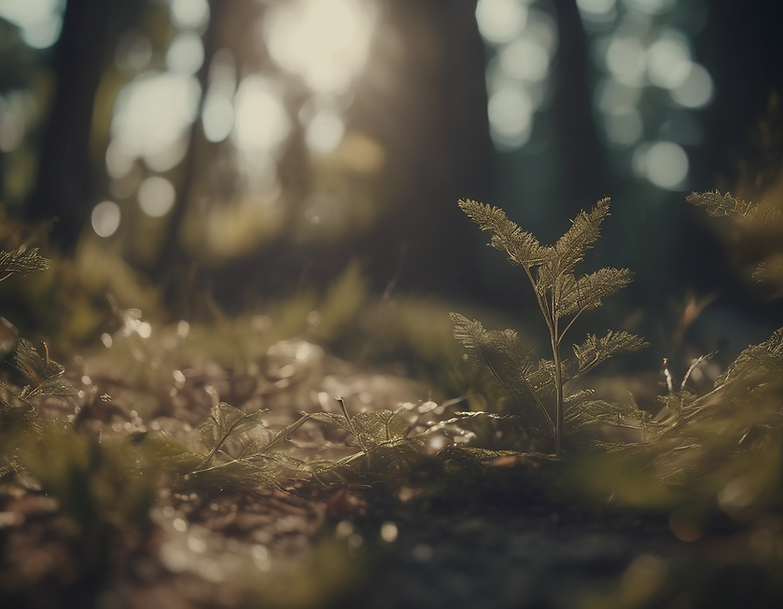
This image was generated with Dream Studio AI.

After the severe economic shock of 2026–2030, triggered by rising US geopolitical instability, a stock market crash, and the first major wave of AI-driven job displacement, hope felt in short supply. Across Europe, people shared the same anxious question: How did we let this happen again? Memories of the 2008 financial crisis returned, along with the unsettling sense that the world was moving backwards.

The years that followed were marked by chaos, anger and growing polarisation. But from that instability came a realisation: Europe’s future could not be built on division. It could only be built on deeper cooperation. As the world became more fragmented, Europeans began to understand a simple truth more clearly than ever before: divided, we are weak; united, we are strong.

By the early 2030s, politics began to change. Citizens stopped rewarding outrage, blame and division, and started demanding compromise, seriousness and shared purpose. Political leaders responded. What followed was something few had thought possible: the European Union federalised, and a new kind of superpower emerged.

Europe did not rise through conquest, aggression or domination. It rose through cohesion, partnership and collaboration. We cut through the bureaucracy that had long slowed progress, not to pursue growth at any cost, but to build growth that was sustainable, fair and widely shared. Europe became more agile, more innovative and more confident in shaping its own destiny.

As tensions between China and the United States deepened, Europe became the world’s common ground: a reliable partner, a trusted trading bloc, and a defender of liberal democracy, human rights and international order. In an increasingly unstable world, it became one of the few places where peace, predictability and freedom still felt secure.

Now, in 2040, the European experiment is thriving. Europe has become a global centre of innovation, economic dynamism and social stability. The European Dream is no longer an aspiration, but a reality: a society where people have the freedom to build a business, raise a family and live with dignity and peace of mind.

We have reversed population decline. In 2039, the EU recorded its highest birth rate in decades. Cross-European relationships and identities have flourished, helped by expanded Erasmus programmes and greater mobility across the Union. More and more people now see themselves not as French, Portuguese or Dutch first, but as European first, and proudly rooted in their region second.

Europe also chose a different path on technology. While other powers used AI to intensify competition, control and division, the EU focused on using it to improve lives, strengthen public services and support strategic resilience. As a united bloc, we achieved far greater independence in energy, production and food security. Rather than causing mass long-term unemployment, this technological transition helped unlock a new era of job creation, renewal and opportunity.

And Europe did not turn inward. It remained open to the world and became its safest and most trusted economic partner. The euro became the world’s leading reserve currency. Investment flowed toward stability, credibility and the rule of law. The Union continued to grow, with the UK rejoining in 2032 and Ukraine becoming part of the European project as well.

Looking back from 2040, it is clear that the crises of the late 2020s did not destroy the European idea. They forced it to evolve. At the moment when everything seemed to be falling apart, Europe discovered that the only way forward was together. The European Dream became not just a vision of survival, but a model of renewal for the world.

related stories
hallo
My dream of future
Maybe personally I will be very happy to enjoy the high-tech convenience just like I can order the food by done delivery .That’s insane and also many diseases can be handled simultaneously.Tje climate might be not habitable for us,due to our over development.
hallo
Et maintenant, en 2040.
hallo
An idealistic European future
Europe will have learnt from its past mistakes in terms of security and defence and economy. It will no longer be seen as a side partner with no real power when it comes to wars at its borders. It will be equipped and able to deter foreign threats, both military and online. While having strong foreign partnerships, it will no longer rely on third countries to provide it with rare materials, energy or manufacture critical products. It will have understood that companies are critical to its social welfare and adapted its regulations to European companies' needs. Energy and life costs will no longer be an issue for Europeans as there will have been investments in new nuclear technologies, incentives given to companies to produce in Europe in a simplified regulatory framework, taxation, social and labour costs will be harmonised and education will be again a strong pillar of the society.
hallo
¡Qué alivio que hemos dejado atrás los años 20 con toda esa sucesión de crisis entrelazadas que parecían imposibles de resolver! ¡Qué alivio que ya no tengamos que pensar si la democracia está en peligro o vivir en la permanente incertidumbre de si habrá un retroceso reaccionario de todo lo que nos costó tanto ganar! Igual que fuimos por fin conscientes de los límites físicos del planeta y la economía del dónut sucedió al capitalismo, también lo fuimos de los límites de nuestras democracias con debates multitudinarios que impidieron que (¡por fin!) se hicieran con el poder de nuevo crueles demagogos autoritarios que no creían en los valores de la democracia. No sé cómo podíamos vivir con esta angustia permanente... . Se acabaron las gerontocracias, las idiocracias, el tecnoauritarismo y la perpetuación en el poder. La IA ya no es un negocio privado de milmillonarios a los que (¡por fin!) se les obligó a repartir el 90% de su fortuna, como ya había sucedido en los años 50 del siglo pasado. Se ha puesto solo al servicio de la resolución de los grandes problemas del mundo. ¡Qué alivio también que el dinero ya no mueva el mundo! Todo esto fue posible porque se aprobó y puso en marcha en 2030 la Constitución de la Tierra de Ferrajoli, la carta magna que protegía todos nuestro problemas globales. La naturaleza de la que formamos parte y sin la cual no podemos vivir, está especialmente protegida. La Constitución da un marco para que todo se solucione diplomáticamente. Desde su aprobación se acabaron las guerras y los genocidas del pasado fueron juzgados con severidad. Ayer celebramos la fiesta del #NuncaMás. Si tengo que describir cómo es la vida ahora, la palabra que me sale es tranquila. Sin amenazas constantes a nuestra seguridad y bienestar, el día a día es plácido.
Join #OurFutures now!

The future is shaped by our ideas and our actions today. Tell us about your visions of the future and help us create a futures narrative aimed at inspiring citizens, policy-makers and foresight experts alike!

OURfutures.png

The European Commission support does not constitute endorsement of the contents which reflects the views only of the authors, and the Commission cannot be held responsible for any use which may be made of the information contained.

ERA_logo.jpg

We support the European Research Area aimed at creating a single, borderless market for research, innovation and technology in the EU.

©OurFutures 2025, All rights reserved.

  • Instagram
  • Facebook
  • LinkedIn
  • YouTube
bottom of page