top of page

The European Dream

Anonymous

March 31, 2026
The European Dream

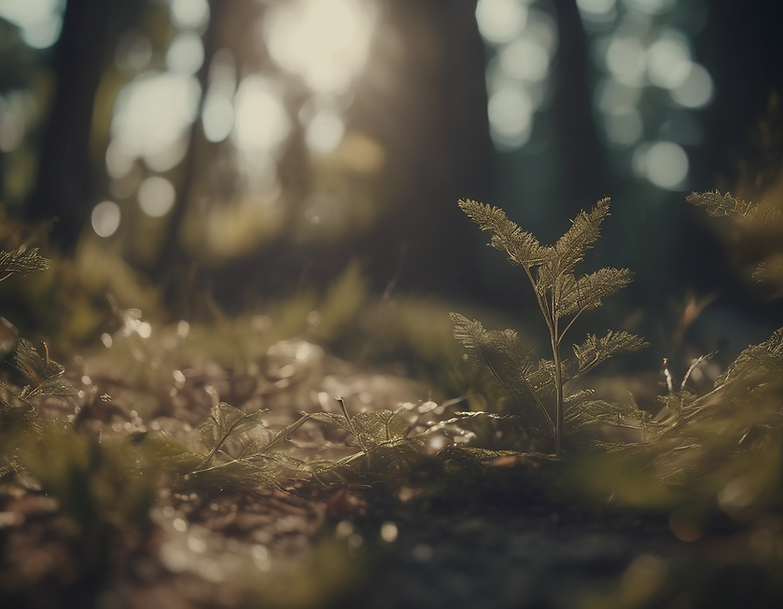
This image was generated with Dream Studio AI.

After the severe economic shock of 2026–2030, triggered by rising US geopolitical instability, a stock market crash, and the first major wave of AI-driven job displacement, hope felt in short supply. Across Europe, people shared the same anxious question: How did we let this happen again? Memories of the 2008 financial crisis returned, along with the unsettling sense that the world was moving backwards.

The years that followed were marked by chaos, anger and growing polarisation. But from that instability came a realisation: Europe’s future could not be built on division. It could only be built on deeper cooperation. As the world became more fragmented, Europeans began to understand a simple truth more clearly than ever before: divided, we are weak; united, we are strong.

By the early 2030s, politics began to change. Citizens stopped rewarding outrage, blame and division, and started demanding compromise, seriousness and shared purpose. Political leaders responded. What followed was something few had thought possible: the European Union federalised, and a new kind of superpower emerged.

Europe did not rise through conquest, aggression or domination. It rose through cohesion, partnership and collaboration. We cut through the bureaucracy that had long slowed progress, not to pursue growth at any cost, but to build growth that was sustainable, fair and widely shared. Europe became more agile, more innovative and more confident in shaping its own destiny.

As tensions between China and the United States deepened, Europe became the world’s common ground: a reliable partner, a trusted trading bloc, and a defender of liberal democracy, human rights and international order. In an increasingly unstable world, it became one of the few places where peace, predictability and freedom still felt secure.

Now, in 2040, the European experiment is thriving. Europe has become a global centre of innovation, economic dynamism and social stability. The European Dream is no longer an aspiration, but a reality: a society where people have the freedom to build a business, raise a family and live with dignity and peace of mind.

We have reversed population decline. In 2039, the EU recorded its highest birth rate in decades. Cross-European relationships and identities have flourished, helped by expanded Erasmus programmes and greater mobility across the Union. More and more people now see themselves not as French, Portuguese or Dutch first, but as European first, and proudly rooted in their region second.

Europe also chose a different path on technology. While other powers used AI to intensify competition, control and division, the EU focused on using it to improve lives, strengthen public services and support strategic resilience. As a united bloc, we achieved far greater independence in energy, production and food security. Rather than causing mass long-term unemployment, this technological transition helped unlock a new era of job creation, renewal and opportunity.

And Europe did not turn inward. It remained open to the world and became its safest and most trusted economic partner. The euro became the world’s leading reserve currency. Investment flowed toward stability, credibility and the rule of law. The Union continued to grow, with the UK rejoining in 2032 and Ukraine becoming part of the European project as well.

Looking back from 2040, it is clear that the crises of the late 2020s did not destroy the European idea. They forced it to evolve. At the moment when everything seemed to be falling apart, Europe discovered that the only way forward was together. The European Dream became not just a vision of survival, but a model of renewal for the world.

related stories
hallo
Sociālā afvērtība - brīvības bira
Freedom in social networks will allow to follow people's actions, promote responsibility both privately and for officials. We will also have acquired personal responsibility for action not only in reality, but also in social networks, and thus we will be able to communicate productively and interestingly. We will not seek hatred in disputes, but grains of understanding. We will have calmed down the race for material benefits - we will live more slowly, buy less but better quality items. We will be able to see within ourselves and around us the spark of humanity.
hallo
on est vraiment sur la mauvaise pente
For me 2050 will have to take up the most important points of the past, a slower life, less technology, less social control, more freedom, a true democracy and not that of today where those who have the most power have never been chosen by the people, a sovereign Belgium that can make its own choices while working with its neighbours, including our Russian friends. More contact between people in cafes and resting, in the cinema, and less life via screen. And in our plate especially keep the quality of our local craftsmen and not the m*** indstrielle transcheese. Let us also return to traditional values and let the woke of the left find themselves in their real place ... in the asylum because they are dangerous And especially not touch my real steack raised with grass by farmers who love their craft. You will have understood ... the very opposite of the desires of the globalists of the EU:-)
hallo
zorica.bruski@gmail.com
Zamišljam 2040. godinu kao svijet u kojem je klimatska kriza stavljena pod kontrolu, a obnovljivi izvori energije u potpunosti dominiraju globalnim energetskim sustavom. Odabrao bih temu čiste energije i održivog razvoja. Želio bih da do 2040. godine svijet bude vođen zelenim tehnologijama, gdje su solarne, vjetroelektrane, hidroenergija i napredne baterije standard, a fosilna goriva stvar prošlosti. Gradovi bi bili puni zelenih površina, zgrada s vertikalnim vrtovima i samoodrživih zajednica. Električni automobili, javni prijevoz na vodik ili baterije te pametna infrastruktura omogućili bi minimalnu emisiju CO₂. U ovoj budućnosti, ljudi bi živjeli u harmoniji s okolišem, reciklaža i ponovna upotreba materijala bili bi norma, a klimatske katastrofe smanjene na minimum. Globalna suradnja i razvoj novih tehnologija donijeli bi stabilnost i pravedniju raspodjelu resursa, čime bi se smanjilo siromaštvo i povećala kvaliteta života za sve. To je svijet kakvom težim – održiv, tehnološki napredan, ali prije svega human i u ravnoteži s prirodom.
hallo
Fantaziram
Instead of a short maternity mother, she could get a new job that is done from home to be with the child. Or he works part-time on a full-pay basis. In addition, bonuses and benefits for each subsequent child to boost the birth rate a little. The father would be a pillar of the family again. Children do not have to be condemned to spend their childhood in kindergarten. After that, the school system could prepare them for real life. They would learn the basic things necessary for the functioning of the household and the family. And later something from the profession that they are interested in and there is a real demand for it. At least 5 numbing subjects can be removed from regular classes because everything is available online (geography, history...) or the subject itself is unnecessary and boring to most children (musical, visual...). For 99% of things, one query to a chatgpt is enough, I can't imagine how much AI will progress in 15 years, mostly schooling is almost completely unnecessary. If the flow and similar tricks made by fools from children are banned, they could grow into relatively normal people who have a goal and purpose in life instead of just consuming air. They'd be paid at work, and they'd have time to rest. States would not fund all sorts of nonsense and would not absurdly print nonexistent money, we would turn more to the local community and self-sustainability. Pensions would not be needed, there could be some state social system that would allow pensioners to get everything free (up to a certain limit) instead of cash payments. They would live and work in smaller local communities. It's a pretty unrealistic scenario, because all those billions of dollars have to be washed away. There are no men of progress in us when greed and the desire for power reign.
Join #OurFutures now!

The future is shaped by our ideas and our actions today. Tell us about your visions of the future and help us create a futures narrative aimed at inspiring citizens, policy-makers and foresight experts alike!

OURfutures.png

The European Commission support does not constitute endorsement of the contents which reflects the views only of the authors, and the Commission cannot be held responsible for any use which may be made of the information contained.

ERA_logo.jpg

We support the European Research Area aimed at creating a single, borderless market for research, innovation and technology in the EU.

©OurFutures 2025, All rights reserved.

  • Instagram
  • Facebook
  • LinkedIn
  • YouTube
bottom of page