top of page

A Future of Sustainable Cities in 2040

Anonymous

March 19, 2025

A Future of Sustainable Cities in 2040

This image was generated with Dream Studio AI.

In 2040, European cities have transformed into models of sustainability and innovation. Gone are the days of traffic congestion and air pollution—thanks to a fully electrified and AI-managed transport system, streets are now shared by autonomous electric shuttles, cyclists, and pedestrians. Green roofs and vertical farms cover buildings, providing fresh food for local communities while purifying the air.

The energy crisis of the 2020s led to a major shift in the 2030s: cities now rely entirely on renewable energy, with solar panels, wind farms, and fusion power supplying homes and industries. Waste is almost nonexistent—advanced recycling and circular economy policies ensure that everything is reused.

Education and work have also evolved. With automation handling repetitive tasks, people focus on creativity, research, and social well-being. The workweek has been reduced to 20 hours, allowing more time for leisure, learning, and community engagement.

Most importantly, people are happier. The balance between technology, nature, and society has created a Europe that is not only advanced but also deeply human-centered.

related stories

hallo
okos világ
Life will certainly change significantly in the next 20 years. Machines will become even more a part of everyday life - smart, intelligent devices that will hopefully make our lives easier. Hopefully, we will find solutions to many of the problems we cannot cope with today, such as hunger, poverty. I hope that our planet will still be habitable and that the necessary resources will be available.
hallo
Europe reborn
This is a test translation for request ID: test-1742517261771
hallo
O consumo de plástico
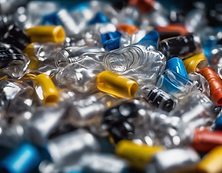
We use less and less plastic in our daily lives. There are exorbitant fees for companies that use and produce plastic and consumers are also charged additional fees for opting for this type of material. Consumers are becoming more careful. Children's toys are increasingly made of wood. Cloth bags and bulk food are being sold, there's no more plastic. Cardboard, boxes, glass jars and cloth bags are used in everyday life. People also regularly clean their homes and remove all possible elements containing plastic. Fast fashion is no longer fashionable. Nowadays, fast fashion stores have higher prices and people are starting to value cotton and linen more, both for clothes and home textiles. Some say that the air, including the air we breathe indoors, has improved, as even furniture is now made from 100% wood or close to it and there is less and less plastic in its production. The future is bright.
hallo
Οι εκπαιδευτικοί στο 2040
In 2040, education is personalised, interactive and tailored to the needs of each student. Teachers hope that artificial intelligence will enable them to tailor lessons to their students' needsArtificial intelligence and virtual reality make learning experiential, and access is free and open to all. Exams have been replaced by practical challenges that foster creativity and critical thinking. Education prepares not only for work, but for a happy and fulfilling life.
Join #OurFutures now!

The future is shaped by our ideas and our actions today. Tell us about your visions of the future and help us create a futures narrative aimed at inspiring citizens, policy-makers and foresight experts alike!

Our-futures-banner-coloured_v3.jpg

The European Commission support does not constitute endorsement of the contents which reflects the views only of the authors, and the Commission cannot be held responsible for any use which may be made of the information contained.

ERA_logo.jpg

We support the European Research Area aimed at creating a single, borderless market for research, innovation and technology in the EU.

©OurFutures 2025, All rights reserved.

  • Instagram
  • Facebook
  • LinkedIn
  • YouTube
bottom of page